
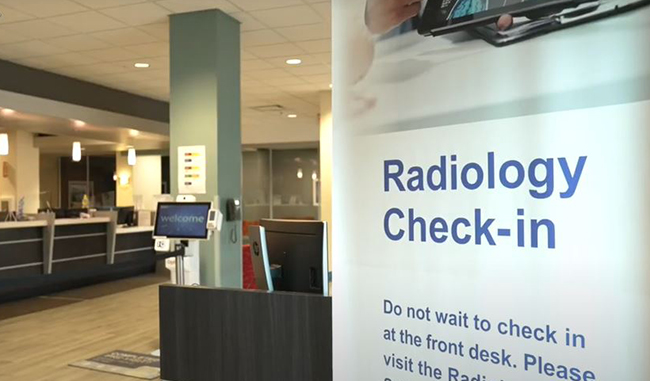
 Optum Radiology at Crystal Run Healthcare
 Same and next-day pediatric appointments

Bug bite treatment at home — and when to get medical care
Whether you’ve been bitten by a mosquito, bee, hornet or wasp, there are steps you can take to help with pain and itching.
Learn how to treat bug bites at home, spot signs of an allergic reaction or infection and know when to get medical care.
How to treat bug bites at home
Many bug bites can be treated safely at home without seeing a doctor.
How you treat the bite will depend on the symptoms you are experiencing.
For an itchy bug bite
Bug bites, such as mosquito bites, can itch. These at-home steps may help.
Try washing the bite and the surrounding area with soap and water.
You can also try mixing 1 tablespoon of baking soda with a little water to make a paste. Apply the paste to the bite, leave it on for 10 minutes, then wash it off. This may help ease itching.
An ice pack on the bite may also help. Try putting the ice pack on the bite area for 10 minutes at a time to help reduce swelling and itching. Repeat as needed.
You can also try an over-the-counter anti-itch cream, such as hydrocortisone, or an over-the-counter oral allergy medicine.
For a painful insect sting
If you have been stung by an insect such as a bee, hornet or wasp, the area may be painful.
In many cases, insect sting pain can be treated at home in most cases. But it’s important to act fast. The longer the stinger from the bug stays in your body, the more venom it releases. And the more pain it can cause.
Follow these steps if treating a sting:
- Stay calm and move away from the insect. It may sting you again.
- Remove the stinger. It’s important to remove it as quickly as possible, since the longer it stays in place, the more venom will be released into your body.
- Wash the sting area with soap and water.
- Put an ice pack on the bite to help with the pain and lower swelling. If swelling spreads to your face or neck, go to the nearest urgent care or emergency room. This can be a sign of an allergic reaction.
- Watch for other signs of an allergic reaction, like hives, nausea, dizziness or trouble breathing. Go to the emergency department if you experience any of these symptoms, they can signal a serious allergic reaction.
- If needed, you can take over-the-counter pain medicine such as acetaminophen or ibuprofen for pain or discomfort.
Signs of an allergic reaction from a bug bite or sting
It’s normal for a bug bite to cause some pain, swelling or redness in the area where you have been bitten or stung. You can usually manage these symptoms at home.
Some bites and stings can cause an allergic reaction. In the US, allergic reactions can happen from the venom of insects like bees, hornets, yellow jackets, wasps and fire ants.
Watch for signs of a serious allergic reaction after an insect bite. Symptoms may include:
- Swelling, itching or hives in areas of the body beyond where you were stung or bitten
- Tightness in the chest or trouble breathing
- Trouble swallowing
- A hoarse voice
- Cramping in the abdomen
- Vomiting
- Diarrhea
- Nausea
- Swelling in the tongue or throat
A serious allergic reaction, also called anaphylaxis, is a life-threatening medical emergency. It can happen within minutes of being stung or bitten.
If you think you may be having a serious allergic reaction, get emergency medical care right away. If you have a history of serious allergic reactions and have an EPI-PEN, don’t wait to use it if you are having these symptoms. Contact emergency medical care for follow up.
Signs of an infected bug bite
Avoid scratching insect bites. Scratching and breaking open the skin can lead to an infection.
Your bug bite may be infected if:
- The bite looks red and feels warm to the touch
- There’s a red streak that spreads outward from the bite
- You see pus or yellow crusting
- You have swelling that gets worse over 1 to 3 days
- You have fever and chills
If these symptoms get worse, or you’re not sure if your bite is infected, talk with a doctor.
When to see a doctor
In most cases, you can treat bug bites at home. Sometimes, bug bites can be more serious and need medical attention.
It’s important to pay attention to your symptoms. If you’ve been bitten or stung by a bug and you have a headache, body aches or rash that spreads and gets worse, get medical care right away.
If you’ve been bitten by a tick, you should carefully remove the tick with tweezers and put it in a container or bag. Keep an eye out for symptoms like rash, fever and joint pain. If you develop any of these symptoms 30 days after a tick bite, see a doctor.
When to get emergency care
You can treat most bug bites at home. But it’s important to look out for symptoms that mean you need emergency care.
Get emergency care right away if you have any of these symptoms after a bug bite or sting:
- Chest pain
- Trouble breathing
- A feeling like your throat is closing up
- Swollen face, tongue or lips
- A headache
- Vomiting
- Dizziness
- A racing heart for more than a few minutes
- A fever with a red or black spotty rash that spreads
- A red, bull’s-eye-shaped rash (after a tick bite)
Takeaway
Bug bites and stings from mosquitoes, wasps, bees, hornets and other insects can be uncomfortable or painful. But in most cases, you can treat them safely at home. Washing the area, using an ice pack and taking over-the-counter medicine may help.
If you have other symptoms with a bug bite or sting, like swelling that spreads, trouble breathing, body aches or a headache, it’s a good idea to see a doctor.
When choosing an urgent care center near you, it’s important to make sure it can offer what you need to get the best quality of care before, during, and after your visit. Not all urgent care centers are the same or can provide the same services. Crystal Run Urgent Care treats non-life-threatening allergic reactions at four convenient locations throughout Orange, Sullivan and Rockland counties in Middletown, Newburgh, Rock Hill and West Nyack.