
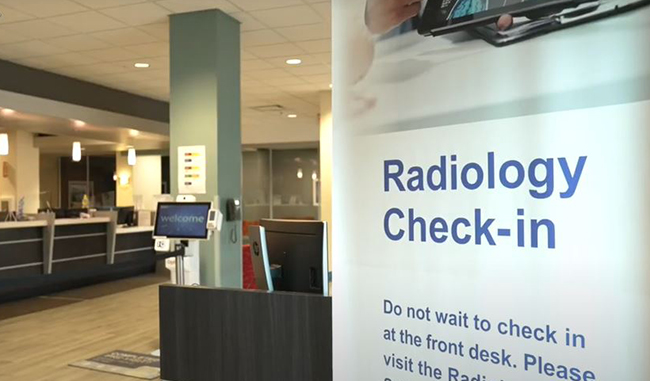
 Optum Radiology at Crystal Run Healthcare
 Same and next-day pediatric appointments

Men’s annual physical exam: What to expect
Your body changes over time, and a lot can happen in a year. That’s why regular visits with your doctor can make a difference for your health.
An annual exam helps your doctor track changes in your health. They can look for problems that may be starting and can offer advice to help you stay healthy.
During your annual exam, your doctor will check things that matter for everyone. These often include your breathing, blood pressure, temperature and weight. Your doctor will review your family health history. You may be asked about your diet, exercise, and sleep habits, as well as your mood and stress level. If you’re using supplements, your doctor will ask which ones and how often.
After your basic health check, your doctor may suggest tests and screenings based on your age, sex, health history and risk factors.
For men, doctors may screen for common health issues. These include problems that affect men more often or become more common with age. Your doctor may also screen for health issues that run in your family.
Prostate cancer screening
Prostate-specific antigen, or PSA, is a protein made by your prostate gland. Some prostate changes, including cancer, can raise PSA levels.
Your doctor may suggest a blood test to check your PSA level based on your age, symptoms, family history and other risk factors. For example, you may be offered a PSA test if you:
- Have an enlarged prostate
- Have trouble urinating
- Notice pain when urinating
- See blood in your urine or semen
- Wake up often at night to urinate
- Have a weak stream of urine
- Have a high risk of prostate cancer
- Are age 50 or older and at average risk
If your PSA level is high, your doctor may suggest more tests to check for cancer or other prostate problems.
Prostate cancer doesn’t always cause symptoms in its early stages. For some men, a PSA screening can help doctors find prostate cancer early, when it may be easier to treat.
Testosterone level check
Testosterone is the main male sex hormone. It’s made mostly in the testicles and supports sex drive, energy levels, muscle health and bone health. As you get older, your testosterone levels naturally decline.
Low testosterone can cause symptoms such as:
- Low sex drive
- Feeling tired
- Low mood
- Loss of muscle mass
- Erectile dysfunction
- Infertility
- Low bone density
Not everyone needs testosterone testing or treatment. But if you have symptoms of low testosterone, your doctor may suggest a blood test to check your levels.
Testicular screenings
Your doctor may examine your testicles by checking for unusual changes, such as lumps or swelling. These changes could be a sign of a serious problem, including cancer.
A testicular exam isn’t always part of an annual physical, but your doctor may suggest one if you have any of these symptoms:
- A painless lump
- Swelling
- A dull ache
- A change in how the area feels
- Any pain or discomfort in the area
When it’s found early, testicular cancer has an excellent survival rate.
Abdominal aortic aneurysm screening
An abdominal aortic aneurysm, or AAA, happens when the wall of your body’s largest artery weakens and bulges. If the aneurysm ruptures, it can cause serious, life-threatening bleeding that requires emergency care. Men are more likely than women to develop an AAA.
AAAs usually develop slowly over many years. Most don’t cause symptoms until the aneurysm ruptures. This is why doctors may suggest a one-time ultrasound screening for men ages 65 to 75 who have ever smoked, or for people who have a first-degree relative with AAA.
Colorectal cancer screening
Colorectal cancer screening checks for signs of cancer or precancerous changes in your large intestine (colon) and rectum. Men have a slightly higher risk of colorectal cancer than women. Your doctor may suggest one of the following screening tests:
- Colonoscopy: This test uses a flexible tube with a camera to look inside the colon and rectum.
- Computed tomography (CT) colonography: This test uses X-rays to create an image of the colon and rectum.
- Fecal immunochemical test (FIT): This test checks for hidden signs of blood in your stool.
- Stool DNA test: This test checks your stool for signs of blood and abnormal DNA changes linked to cancer.
Colorectal cancer often starts as precancerous growths called polyps. Screening can help doctors find and remove polyps before cancer develops. If cancer is present, screening can help find it early, when it may be easier to treat.
Your doctor may talk with you about colorectal cancer screening at your annual exam if you’re age 45 or older. Screening may start earlier if you have certain risk factors, such as a personal or family history of colorectal cancer, advanced polyps or inflammatory bowel disease.
Heart health and cardiovascular risk assessment
Cardiovascular disease, or CVD, includes problems that affect your heart and blood vessels.
As you get older, your risk of CVD goes up. Over time, a fatty substance called plaque can build up in your arteries. This can make it harder for blood to flow and make your heart work harder. Other health problems, such as diabetes, can also damage your heart and blood vessels.
Heart disease is a leading cause of death for men in the United States. Your risk of heart disease, stroke and other heart problems also goes up with age.
CVD can develop over many years. You might not notice signs right away. To help find changes early, doctors often start checking your heart health during regular visits when you’re a young adult.
A cardiovascular risk assessment often includes a review of your:
- Blood pressure
- Cholesterol
- Blood sugar
- Weight
- Smoking history
- Physical activity levels
- Eating habits
Your doctor may also ask about other things that affect your risk, such as your age and family history of heart disease.
Your doctor can use this information to decide whether you may need more screenings, lifestyle changes, medicine or other steps to help protect your heart.
Takeaway
Seeing your doctor regularly can help find health problems early and identify ways to lower your risk of future health issues.
For men, annual checkups are a good time to talk about health topics that may be important based on age, family history and other risk factors. Certain health problems become more common as men get older.
Staying up to date on health screenings can help you take care of your health. If a problem is found, early detection can often lead to more treatment options and better outcomes.
Primary care doctors (also called primary care physicians or primary care providers) at Crystal Run Healthcare provide both the first point of contact for patients with an undiagnosed health concern as well as continuing care for varied medical conditions, not limited by cause, organ system or diagnosis. We offer integrated, coordinated care for all patients, including those with common medical conditions like diabetes, high blood pressure, coronary artery disease and congestive heart failure. In fact, our care management data proves that patients with these conditions receive better care, demonstrated by measures that exceed national quality benchmarks. Whether you choose a family medicine practitioner, an internist, or a geriatric specialist, your primary care provider at Crystal Run Healthcare will manage and coordinate all your healthcare needs.