
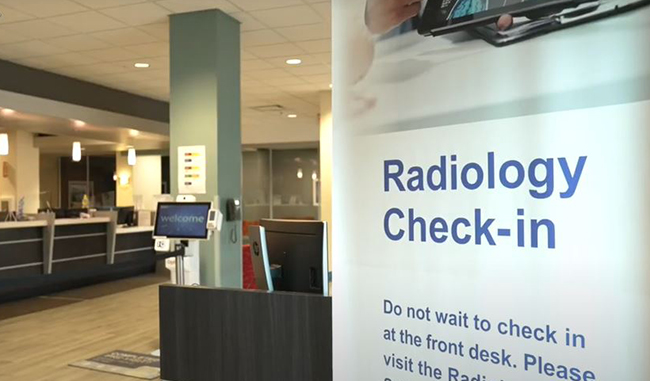
 Optum Radiology at Crystal Run Healthcare
 Same and next-day pediatric appointments

How to tell if you have strep throat — and when to get tested
Sore throats are common, but they don’t always mean you have strep throat. Knowing the signs of strep throat can help you decide when to get tested and seek treatment.
Most people have had a sore throat that feels scratchy or painful when they swallow. Sometimes a sore throat is mild. Other times, it can hurt so much that you don’t want to eat or drink.
A virus is the most common cause of a sore throat. For example, you might notice one after a cold or the flu. But a sore throat can also be caused by bacteria, allergies, smoking or exposure to smoke.
Not every sore throat is strep throat. Strep throat is a specific type of infection in the throat and tonsils that’s caused by Group A Streptococcus bacterium. These bacteria can also cause several other infections and diseases.
Strep throat is most common in children between ages 5 and 15, but adults can get it, too. Symptoms usually appear about 2 to 5 days after you’re exposed to the bacteria. The infection spreads easily from person to person.
Most sore throats don’t need medicine, but strep throat does. Antibiotics help clear the infection and lower the risk of serious complications. Without treatment, the bacteria can spread to other parts of the body and cause:
- Sinus infection
- Ear infection
- Abscesses (pockets of pus) in the tonsils or neck
- Rheumatic fever (potentially life-threatening inflammation in the heart)
- Post-streptococcal glomerulonephritis (inflammation in the kidney)
In rare cases, strep throat can lead to scarlet fever, which causes a red, sandpaper-like rash.
Knowing when a sore throat may be strep throat can help you get tested and treated sooner.
Strep throat vs. a common cold
Strep throat and the common cold are not the same. The common cold is caused by a virus. Strep throat is caused by a bacterial infection.
Some symptoms can overlap. Both strep throat and a common cold can cause:
- Sore throat
- Fever
- Feeling generally unwell
Strep throat is more likely to cause:
- Severe sore throat
- Higher fever
- White patches or pus in the back of the throat
- Tiny red spots on the roof of the mouth
- Lymph nodes in the neck that hurt to the touch
- Swollen tonsils
A common cold is more likely to cause:
- Mild to moderate sore throat
- Cough
- Runny nose
- Sneezing
- Mild fever
It’s not always easy to tell if your symptoms are caused by strep throat or the common cold. But a doctor can do a quick test to check for Group A strep bacteria. If the test is positive, they will likely prescribe antibiotics to help you clear the infection.
When should you get tested for strep throat?
If you have the classic signs of strep throat, you should visit your doctor. These include:
- Severe sore throat
- Pain when swallowing
- Tiny red spots on the roof of the mouth
- White patches or pus on the tonsils
- Swollen, red tonsils
A very painful sore throat alone may be reason enough to get tested for strep throat.
Keep in mind that not everyone has all the classic symptoms. Some people never develop white patches or pus. Others may only have throat pain. Symptoms can vary from person to person.
Strep throat spreads easily to others through respiratory droplets and close contact. If you have a sore throat and will be around other people, especially children, it’s a good idea to get tested.
Testing for strep throat is simple. A rapid strep test uses a swab from the back of your throat to look for group A strep bacteria. Results are often ready in just a few minutes.
If the rapid test is negative but your doctor still thinks you have strep, they may do a throat culture. This test checks for live bacteria in a lab, and it can take a few days to get results.
If you test positive for strep throat, your doctor may prescribe antibiotics. They may also suggest over-the-counter pain relievers to help ease symptoms. You can usually go back to work or school once your fever is gone and you’ve been taking antibiotics for at least 12 to 24 hours.
When to visit urgent care or a pediatrician
A very painful sore throat, especially in a child, is a reason to call your doctor or pediatrician.
Get medical care right away if you or your child have any of these symptoms:
- Trouble breathing
- Trouble swallowing
- Trouble eating or drinking
- Hoarseness or other voice changes
- Neck stiffness or swelling
- Joint swelling or pain
- Excessive drooling
- Blood in saliva or phlegm
- A rash that appears on the body along with the sore throat
- A fever of 100.4°F or higher in a baby younger than 3 months
These symptoms may be a sign of a more serious infection or complication that needs prompt medical care.
Takeaway
In many cases, a sore throat is caused by a virus, not strep throat. Strep throat is usually more painful and can often cause swollen tonsils as well as white patches or pus. Unlike a common cold, strep throat doesn’t usually cause sneezing, coughing, or a runny nose.
If you think you might have strep throat, it’s important to get tested. A quick swab can tell if strep bacteria are causing your symptoms. If the test is positive, antibiotics can help clear the infection, prevent complications and reduce the spread to others.
Centers for Disease Control and Prevention. Sore throat basics. 2024.
Nemours KidsHealth. Strep throat in kids & teens. 2023.
Centers for Disease Control and Prevention. About Group A strep infection. 2025.
Centers for Disease Control and Prevention. About strep throat. 2026.
Ashurst JV, et al. Streptococcal pharyngitis. StatPearls. February 15, 2025.
Rayborn CH, et al. What is strep throat? JAMA. May 2, 2024.
InformedHealth.org. Overview: common colds. 2023.
Centers for Disease Control and Prevention. Testing for strep throat or scarlet fever. 2025.
Nemours KidsHealth. What to do about a sore throat. 2023.