
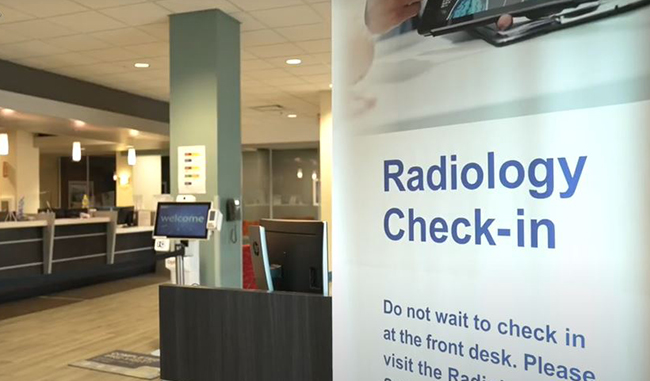
 Optum Radiology at Crystal Run Healthcare
 Same and next-day pediatric appointments
10 Simple Ways to Protect Your Eye Health
Learn simple ways to protect your eye health, from wearing sunglasses and taking screen breaks to managing chronic conditions and getting regular eye exams.
10 Simple Ways to Protect Your Eye Health
Your vision plays an important role in nearly everything you do — from working and driving to reading and spending time with family and friends. Taking care of your eyes today can help protect your vision for years to come.
The good news is that many eye problems can be prevented or found early. Here are 10 simple ways to keep your eyes healthy.
1- Manage your health
Your overall health affects your eye health.
Conditions like diabetes, high blood pressure and high cholesterol can increase your risk of vision problems.
To protect your eyes:
- Keep your blood sugar, blood pressure and cholesterol under control
- Take your medications as directed
- If you have diabetes, get a dilated eye exam every year
- Ask your doctor if any of your medications could affect your vision
Did you know? Your primary care provider can help you manage health conditions that may affect your eyesight.
2- Wear sunglasses outdoors
The sun's UV rays can damage your eyes over time.
When you're outside:
- Wear sunglasses that block 100% of UVA and UVB rays
- Wear a wide-brimmed hat for extra protection
- Never look directly at the sun
- Help children protect their eyes by wearing sunglasses, too
3- Take care of your contact lenses
Good contact lens habits can help prevent eye infections.
Remember to:
- Wash your hands before touching your contacts
- Remove contacts before bed unless your eye doctor says it's okay to sleep in them
- Use fresh contact lens solution every day
- Replace your lens case regularly
If your eyes become red, painful or sensitive to light, call your eye doctor.
4- Help prevent eye infections
A few simple habits can help keep your eyes healthy.
- Wash your hands often
- Avoid touching or rubbing your eyes
- Do not share eye makeup or contact lenses
- Call your eye doctor if you have redness, swelling, pain or discharge
Getting treatment early can help prevent serious problems.
5- Use eye drops safely
Not all eye drops are the same.
- Use products from trusted brands
- Follow the directions on the label
- Talk to your eye doctor if your symptoms do not improve
- Use artificial tears if your eyes feel dry or tired
If you're unsure which eye drops are right for you, ask your ophthalmologist.
6- Make healthy lifestyle choices
Healthy habits support healthy eyes.
To support long-term eye health:
- Avoid smoking
- Eat plenty of fruits and vegetables
- Add leafy greens like spinach and kale to your meals
- Eat fish that contain omega-3 fatty acids
- Stay physically active
A healthy lifestyle can help reduce the risk of chronic diseases that may affect your vision.
7- Take breaks from screens
Many of us spend hours each day looking at computers, phones and tablets. Too much screen time can make your eyes feel tired and dry.
Try the 20-20-20 rule:
- Every 20 minutes, look at something 20 feet away for 20 seconds.
Also remember to:
- Blink often to keep eyes moist
- Take regular breaks throughout the day
- Adjust your screen brightness and position so it feels comfortable to view
Talk to your eye doctor if you regularly experience eye strain, headaches or blurry vision.
8- Remove eye makeup before bed
Leaving eye makeup on overnight can cause irritation and increase your risk of infection.
Before you go to sleep:
- Remove all eye makeup
- Replace old makeup regularly
- Avoid putting makeup too close to your lash line
- Never share eye makeup with others
9- Keep your eyelids clean
Keeping your eyelids clean can help prevent irritation and inflammation.
- Wash your face every day
- Remove sweat, dirt and makeup
- Gently clean your eyelids with warm water
- Follow your doctor's instructions if you have ongoing eyelid problems
10- Get regular eye exams
Regular eye exams are one of the best ways to protect your vision.
Eye exams can help find problems early, including:
- Glaucoma
- Cataracts
- Diabetic eye disease
- Macular degeneration
Many eye diseases do not cause symptoms at first. Talk with your eye care provider about how often you should have an eye exam based on your age, medical history and risk factors.
Regular visits with your primary care provider and ophthalmologist can help protect both your overall health and your vision.
When Should You See an Eye Doctor?
Schedule an appointment if you notice:
- Sudden vision changes
- Eye pain
- Persistent redness
- Double vision
- New floaters or flashes of light
- Vision loss
Getting care quickly can help identify and treat serious eye conditions as early as possible.
Protect Your Vision for the Future
Healthy habits, routine medical care and regular eye exams can help you keep your eyes healthy at every age.
At Crystal Run Healthcare, our Primary Care and Ophthalmology teams work together to help protect your vision and overall health. Whether you need a routine eye exam, help managing a chronic condition or treatment for an eye problem, we're here to help.
American Medical Association. What doctors want patients to know about improving eye health. Accessed July 2026
US Centers for Disease Control and Prevention (CDC). Taking Care of Your Eyes. Accessed July 2026
American Academy of Ophthalmology. How To Use Cosmetics Safely Around Your Eyes. Accessed July 2026