
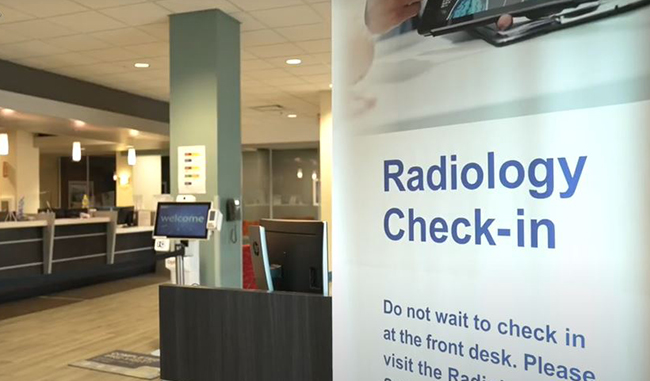
 Optum Radiology at Crystal Run Healthcare
 Same and next-day pediatric appointments
Testicular Cancer Symptoms: Warning Signs Every Man Should Know
Learn the early warning signs of testicular cancer, common symptoms, risk factors, and when to see a doctor. Find out how early detection can help.
June is Men’s Health Awareness Month, a good time to learn about testicular cancer symptoms, risk factors, and how to spot the disease early. Testicular cancer is most frequently diagnosed in men ages 20 to 34, accounting for more than half of all cases, according to the National Institutes of Health. The good news is that testicular cancer is highly treatable, especially when it’s found early.
What Are the Symptoms of Testicular Cancer?
Knowing the early signs of testicular cancer can help you take action early. Common symptoms include:
• A lump or swelling in one testicle
• A feeling of heaviness in the scrotum
• A dull ache in the lower abdomen or groin
• Sudden swelling in the scrotum
• Pain or discomfort in a testicle or the scrotum
• Breast tenderness or enlargement
• Lower back pain
If any of these symptoms last longer than two weeks, schedule an appointment with your healthcare provider. Early detection of testicular cancer can make treatment more effective. Most cases of testicular cancer affect only one testicle.
Testicular Cancer Risk Factors
The American Cancer Society lists several risk factors for testicular cancer, including:
- An undescended testicle, known as cryptorchidism, even if it was corrected with surgery
- Being a teen or young adult, although testicular cancer can occur at any age
- A family history of testicular cancer or a personal history of the disease
- Having HIV (human immunodeficiency virus)
- Testicular cancer is more common in non-Hispanic white men and people of Native American descent
What Happens if Testicular Cancer Spreads?
If testicular cancer is not treated, it can spread beyond the testicle. It most often spreads to the lymph nodes, lungs, or liver. When this happens, it is called metastatic testicular cancer. While this is more serious, treatment can still be effective, especially when guided by a care team.
Early Detection and Testicular Self-Exams
Regular testicular self-exams can help you notice changes early. Check your testicles every few weeks and pay attention to anything unusual, such as a lump, swelling, or pain. If you notice a change, make an appointment with your primary care provider so they can evaluate your symptoms and guide you on next steps if needed.
Dr. Noah Schmuckler, primary care physician at Crystal Run Healthcare encourages awareness without alarm: “I encourage men to be familiar with what’s normal for them, but not to over-check or panic over every tiny change. If something is new, persistent or concerning, that’s exactly what your primary care provider is there for.”
When to See a Doctor About Testicular Symptoms
Finding testicular cancer early can make treatment more effective and improve outcomes. If you notice any unusual symptoms, talk with your doctor or primary care provider as soon as possible.
Crystal Run Healthcare’s Internal Medicine providers care for adults age 18 and older and specialize in preventing, diagnosing, and treating a wide range of adult health conditions. If you have concerns about testicular cancer symptoms or other changes in your health, your primary care provider can help evaluate your symptoms and connect you with additional specialists if needed.
Get Care for Testicular Cancer Symptoms
We make it easy to book appointments with flexible same-day and extended hours, so you can stay on top of your health. Find care today.
National Cancer Institute (NIH). Testicular Cancer. Accessed May 2026
NIH National Library of Medicine. Patient characteristics and clinic pathologic features. Accessed May 2026
American Cancer Society (ACS). Survival Rates for Testicular Cancer. Accessed May 2026
American Cancer Society (ACS). Key Statistics for Testicular Cancer. Accessed May 2026